


Home Warranty Guide 2026: What’s Covered? (5 Tips)
A home warranty is a service contract that covers the repair or replacement of major home systems and appliances—like HVAC, plumbing, and electrical—when they fail due to normal wear and tear. Unlike homeowners insurance, it protects your budget from unexpected breakdowns that occur after you close on your home.
What does a home warranty actually cover?
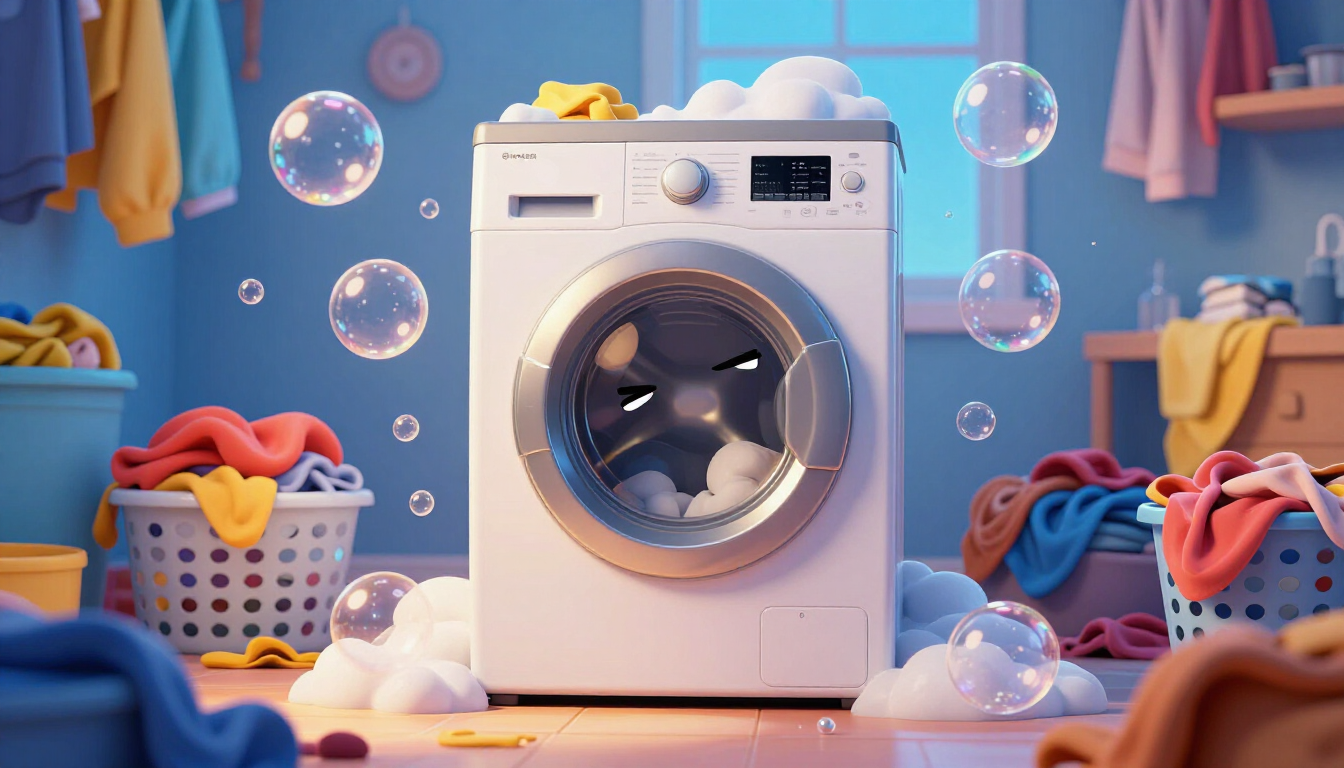
You’ve just signed the papers, the keys are in your hand, and you’re officially a homeowner in Northwest Ohio. You’ve already mentally placed the sofa and picked out the paint colors. Then, two weeks later, your dishwasher decides it no longer wants to wash dishes—it wants to be a fountain. This is where home warranty coverage steps in to save your bank account from a mid-life crisis.
Generally, a standard home warranty covers the mechanical components of your home. We’re talking about the things that hum, whir, or keep you from freezing during a Toledo winter. This typically includes:
- Heating and cooling systems (HVAC)
- Interior plumbing and electrical systems
- Kitchen appliances (oven, dishwasher, built-in microwave)
- Water heaters and garbage disposals
- Garage door openers and ceiling fans
While every plan is a bit different, the core mission remains the same: to ensure that if a major system fails due to age or usage, you aren’t stuck footing a four-figure bill on top of your new mortgage. It’s the safety net you didn't know you needed until Murphy’s Law decides to move into your guest room.
Is a home warranty the same as homeowners insurance?
This is the million-dollar question—or at least the "cost of a new furnace" question. Many first-time buyers confuse the two, but they are as different as a snowblower and a lawnmower. You need both, but they do very different jobs.
Homeowners insurance is your shield against the "big bads." It covers structural damage and loss caused by things like fire, windstorms, hail, or that one neighbor who can't park their car straight. If a tree falls on your roof, insurance is your best friend. However, insurance will not help you if your 15-year-old AC unit simply decides to retire on the hottest day of July.
A home warranty, conversely, is for the "internal organs" of the house. It’s for the breakdowns that are inevitable because machines don't live forever. When the internal components of your furnace wear out from years of keeping you toasty, the warranty is what kicks in. Think of insurance as protecting you from the unexpected outside world, and the warranty as protecting you from the inevitable decay of appliances.
Why do some buyers choose First American or Cinch?
In the world of home warranties, a few names tend to pop up more often than others, especially when we’re talking about reliability and comprehensive plans. Two of the heavy hitters are First American Home Warranty and Cinch Home Services . Both offer layers of protection that can turn a potential disaster into a minor inconvenience.
First American Home Warranty is a favorite among many because of their straightforward approach. They offer plans that specifically cater to different budgets, often including coverage for things like "improper installation" or "mismatched systems," which are common headaches in older Northwest Ohio homes. Their claims process is designed to be user-friendly, which is exactly what you want when your basement is starting to resemble a swimming pool.
Cinch Home Services , on the other hand, is known for its modern approach and impressive guarantees. They often include perks like a credit toward air conditioning filters or a deductible that you only pay once per claim, even if multiple parts are involved. Their digital-first platform makes it incredibly easy to file a claim from your phone while you’re standing in your kitchen wondering why the stove is making that clicking sound.
Buyers often choose these companies because:
- They have a vast network of pre-vetted service technicians.
- They provide 24/7 claim support for emergencies.
- They offer predictable costs for repairs (usually just a service fee).
- They cover items regardless of their age (as long as they work at closing).
- They provide peace of mind during the first year of ownership.
The "Why Not" Logic for First-Time Buyers
At Benjamin Rozzell IV, we’re all about the "Why Not?" philosophy. Why not take the leap into homeownership? Why not build equity? And, just as importantly, why not protect your investment with a safety net? For a first-time buyer, a home warranty isn't just a contract; it's a sleep aid.
Buying your first home is expensive. Between the down payment, closing costs, and the sudden realization that you need to buy a lawnmower, your savings account might be feeling a bit lean. The last thing you need is a $2,000 repair bill for an electrical panel three months after you move in. A home warranty allows you to Find a Home with the confidence that your budget is shielded from those "welcome to the neighborhood" surprises.
We see it all the time in Northwest Ohio: beautiful homes with character that occasionally come with "character-building" mechanical issues. By negotiating a home warranty into the purchase agreement, or buying one yourself at closing, you’re essentially buying insurance for your bank account’s peace of mind. It allows you to focus on the joy of your new space rather than listening for every strange rattle or hum.
Common Misconceptions and Coverage Gaps
Let’s be real: a home warranty isn't a magic wand. It won't fix everything, and it won't make your house 100% immune to problems. There are some common misconceptions that lead to frustration if you don't read the fine print. Understanding these gaps is key to being a happy homeowner.
One of the biggest misunderstandings is the "pre-existing condition" rule. If the home inspection clearly states that the HVAC system is currently broken, a home warranty will not pay to fix it. The warranty is for systems that are in good working order at the time the contract begins. This is why a professional home inspection is still your first line of defense. Use the inspection to identify what needs fixing now , and the warranty to cover what might break later .
Other things typically excluded from standard plans include:
- Cosmetic issues (scratches on your stainless steel fridge don't count).
- Outdoor items like sprinklers, pools, or spas (unless you buy an add-on).
- Structural problems (foundations, walls, windows).
- Damage caused by pests or rodents (sorry, the squirrels are on their own).
- Appliances that were neglected or not maintained properly.
When you work with companies like Cinch Home or First American , make sure you understand the difference between their "Basic," "Preferred," and "Premier" tiers. Sometimes the extra $10 a month is the difference between a new microwave and a new main sewer line protection.
How to decide if a warranty is right for you?
Deciding on a home warranty usually comes down to two factors: the age of the home’s systems and your personal tolerance for risk. If you are buying a brand-new construction home, you likely have manufacturer warranties and builder guarantees, making a third-party warranty less urgent. However, if your new-to-you home has a furnace that looks like it was installed during the Eisenhower administration, a warranty is a no-brainer.
Ask yourself these questions:
- How old are the major appliances and the HVAC system?
- Do I have $3,000 in an emergency fund specifically for home repairs?
- Am I a DIY expert, or do I need a pro for every little thing?
- Is the seller willing to pay for the first year of the warranty?
- Does the peace of mind outweigh the annual cost of the plan?
In many cases, we can negotiate for the seller to provide a one-year home warranty as part of the deal. It’s a win-win: the seller provides reassurance that the home is solid, and you get a year of "training wheels" for your homeownership journey. If you're wondering how much your current place might be worth to trade up to something new, check out What’s My Home Worth? to see your options.
Summary: Protecting Your Northwest Ohio Transformation
A home warranty is a strategic tool designed to manage the financial risks of homeownership by covering the repair or replacement of major systems and appliances. For first-time buyers, it serves as a vital bridge between the home inspection and the long-term maintenance of the property, providing a predictable cost structure for unavoidable mechanical failures.
Key Takeaways:
- Home warranties cover wear-and-tear failures, while insurance covers accidental/structural damage.
- Companies like First American and Cinch offer various plans tailored to specific needs.
- Warranties do not cover pre-existing conditions or cosmetic damage.
- Negotiating a warranty into your purchase can save thousands in the first year.
- Always review the specific inclusions and exclusions of your plan before signing.
At the end of the day, homeownership is a bold move. It’s about building a future and taking control of your environment. Why let a leaky pipe or a finicky furnace ruin that momentum? If you're ready to unlock your next big move, Contact Us today. Let’s make sure your journey into a new home is as smooth and stress-free as possible. Why not you, and why not now?