

7 Home Maintenance Tips for First-Time Owners
Home maintenance involves performing regular inspections and preventative tasks—such as changing HVAC filters, clearing gutters, and monitoring for plumbing leaks—to prevent minor issues from becoming catastrophic expenses. By staying proactive, first-time homeowners protect their property value, improve energy efficiency, and ensure long-term structural integrity.
Congratulations! You’ve signed the papers, fought off the moving truck exhaustion, and finally have a set of keys that don't belong to a landlord. You are officially the king or queen of your castle. But here’s the thing about castles: they don’t come with a 24-hour maintenance hotline unless you are the one holding the phone. In Northwest Ohio, where the weather can go from 'arctic tundra' to 'tropical swamp' in forty-eight hours, your home is under constant siege.
If you’re wondering why your house is suddenly making noises like a grumpy Victorian ghost, it’s probably just trying to tell you it’s thirsty for some maintenance. Ignorance isn't bliss when it comes to homeownership; it’s just a very expensive way to live. But don't panic! You don't need an engineering degree to keep your house from falling down. You just need a little bit of wit and a willingness to look at things before they explode.
What are the most important home maintenance tips?
The most critical home maintenance tips focus on preventing water damage and maintaining air quality. This includes replacing your HVAC filters every 90 days, cleaning your gutters twice a year, and inspecting all visible pipes for slow drips. These three actions alone can save you thousands in repair costs over the life of your home. If you want to keep your investment secure, treat these tasks like non-negotiable appointments with your future self.
Why your HVAC filter is the MVP of your home
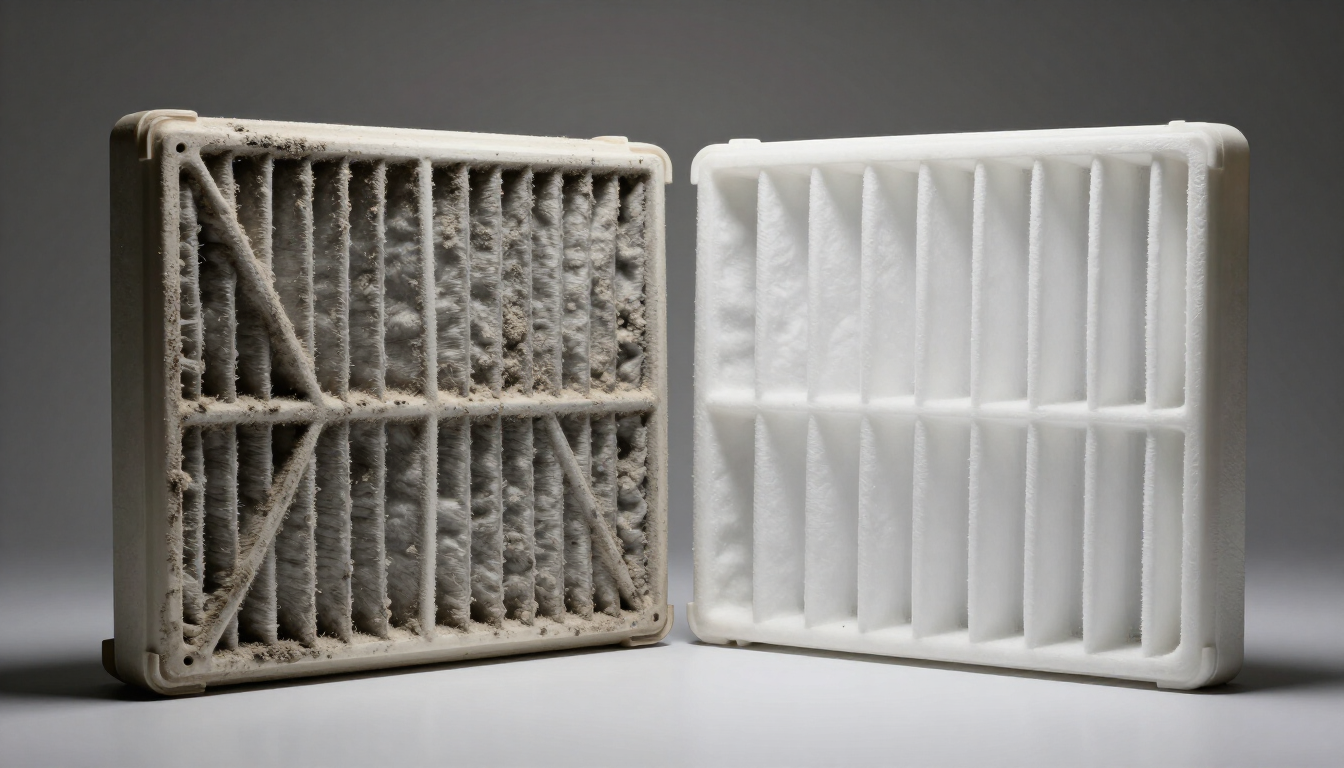
Your HVAC (Heating, Ventilation, and Air Conditioning) system is essentially the lungs of your house. Imagine trying to run a marathon while breathing through a thick, dusty wool sock. That is exactly what you’re asking your furnace to do when you leave a dirty filter in place for six months. Changing your filter is perhaps the easiest, cheapest, and most impactful thing you can do as a homeowner.
In Northwest Ohio, we lean heavily on our HVAC systems. In July, we want the air to be as crisp as a lakeside breeze. In January, we need it to feel like a warm hug. When that filter gets clogged with pet hair, dust, and whatever else is floating around, the system has to work twice as hard to move air. This leads to higher utility bills and, eventually, a catastrophic failure of the blower motor.
To keep your system happy, follow these simple filter rules:
- Check your filter monthly (especially if you have furry roommates).
- Buy filters in bulk to save money and avoid excuses.
- Set a recurring calendar reminder on your phone.
- Use the right size (it’s usually printed on the side of the old one).
- Insert it with the arrow pointing toward the unit.
How often should I check my gutters?
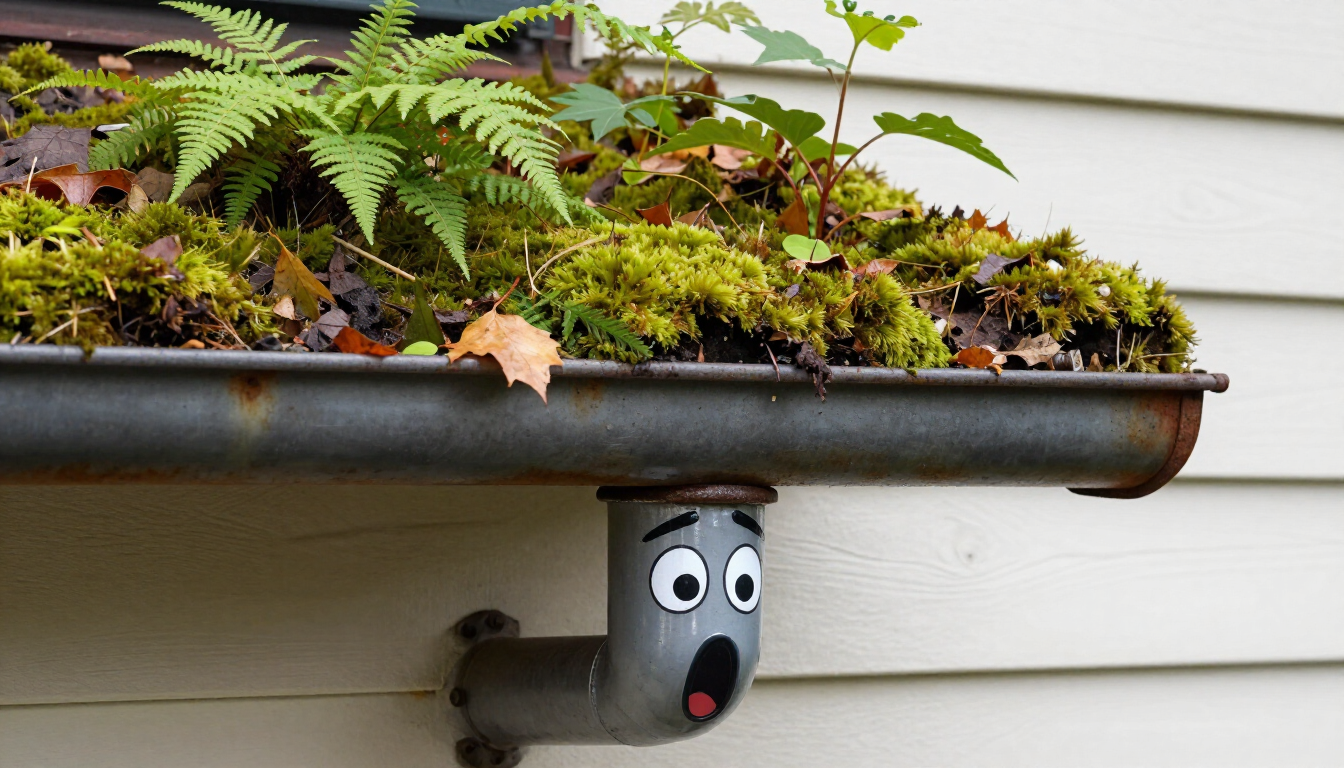
You should inspect and clean your gutters at least twice a year, typically in the late spring and late fall. Gutters are designed to channel water away from your foundation. When they are filled with leaves, twigs, and the occasional lost tennis ball, water overflows and pours directly down the side of your house. This is a recipe for a flooded basement and a cracked foundation—two things that are definitely not on your 'fun weekend project' list.
In our neck of the woods, the fall foliage is beautiful, but those leaves are basically tiny saboteurs for your drainage system. Once they rot and turn into a soggy sludge, they become heavy and can pull your gutters away from the roofline. If you see little waterfalls coming off your roof during a rainstorm, your gutters are officially on strike.
The subtle art of leak hunting
Water is the ninja of home destruction. It’s quiet, persistent, and can hide for months before showing its face. As a new homeowner, you need to become a private investigator of pipes. Every few months, take a flashlight and play 'CSI: Kitchen Sink.' Open the cabinets under your sinks and look for damp spots, warped wood, or that musty smell of impending doom.
Don’t forget the less obvious spots, such as:
- The area around the base of your toilet.
- The ceiling directly below a second-floor bathroom.
- The walls behind your washing machine.
- The perimeter of your water heater.
- The dark corners of your basement or crawlspace.
Catching a tiny drip today costs $5 for a new washer or some plumber's tape. Catching a major leak after it’s been soaking into your subfloor for six months can cost thousands and involve a very stressful conversation with your insurance agent. If you’re ever unsure about what you’re looking at, feel free to reach out to me via my Contact Us page, and I can point you toward some reliable local pros.
When should I call a professional for servicing?
While you can certainly handle filters and flashlights, some things are better left to people who have 'Licensed Professional' on their business cards. Your water heater, for example, is a large tank of boiling water and pressure that lives in your house. Once a year, it’s a good idea to flush out the sediment that builds up at the bottom. While it is a DIY-able task, many first-time owners prefer a pro to handle the first one so they can learn the ropes without accidentally flooding the laundry room.
Similarly, your electrical panel and your roof deserve expert eyes. If you notice flickering lights or see shingles lying in your yard like discarded playing cards after a windstorm, don't climb a ladder yourself if you aren't comfortable. Your safety is worth more than the service fee.
Maintaining a home is about knowing your limits. I’ve seen many 'Why Not?' moments turn into 'Why Did I Do That?' moments because someone tried to rewire a breaker box after watching a thirty-second video. If you're looking to upgrade or find a home that's already in tip-top shape, you can browse current listings on my Find a Home page.
Your home maintenance checklist for 2026
To make things easier, I’ve broken down the 'must-do' tasks into a simple schedule. Treat your house like a high-end sports car—regular oil changes keep it on the road; neglect sends it to the scrap heap. In Northwest Ohio, we have distinct seasons, so your maintenance should follow the rhythm of the year.
- Spring: Clean gutters, check window screens, and test your AC.
- Summer: Inspect the exterior for peeling paint and trim bushes away from the house.
- Fall: Clean gutters again, drain exterior faucets, and get a furnace tune-up.
- Winter: Check for ice dams and monitor your sump pump.
- Year-Round: Change those HVAC filters every 3 months!
Why preventative maintenance is your best financial move
Maintaining your home isn't just about avoiding a headache; it’s about protecting your biggest financial asset. When you eventually decide to move on to your next adventure, a well-maintained home will pass an inspection with flying colors and command a higher price. If you’re curious about how your current maintenance habits (or lack thereof) are affecting your property’s worth, take a look at What’s My Home Worth? to get a better idea of your market position.
Owning a home is a journey, and I’m here to make sure yours doesn’t involve a surprise indoor swimming pool in your basement. Whether you’re a first-time buyer or looking to List With Me , remember that the best time to fix a problem is before it actually becomes one.
Core Takeaways for New Homeowners:
- Stay Dry: Gutters and leaks are your top priority to avoid structural rot.
- Stay Efficient: HVAC filters are the cheapest way to save on energy bills.
- Stay Alert: Perform a 10-minute 'walk-through' of your house once a month.
- Stay Professional: Know when to call in the experts for major systems.
- Stay Confident: You bought this house because you could handle it—now go prove it!
If you want to learn more about my philosophy on real estate and why I take a people-first approach, visit my About Me page. Let’s make your homeownership experience one of growth and confidence, not stress and soggy drywall.