


Why Some Homes Sit Longer (And How You Win)

May 14, 2026

Homes stay on the market longer due to overpricing, poor marketing, or minor cosmetic issues, not always because of structural flaws. For buyers, these 'stale' listings represent massive leverage, offering room for price negotiations, seller concessions, and a stress-free closing process without the bidding war frenzy.

Why is this house still for sale after 60 days?

In the world of real estate, there is a phenomenon known as "Listing Stigma." It’s that invisible cloud that starts to gather over a property once it passes the 30-day mark. You’ve seen it while scrolling through Find a Home . You see a house that looks decent, but then you notice the "Days on Market" (DOM) counter is climbing into the triple digits. Your first thought isn't, "Wow, what an opportunity!" It’s usually, "Where is the body buried?"

But here is the witty truth: sometimes, the body isn't buried anywhere. The house isn't haunted, the foundation isn't made of gingerbread, and the neighbors aren't practicing tuba at 3:00 AM. Often, a home sits because of human error, not structural failure. In Northwest Ohio, where the market can be as unpredictable as a lake-effect snowstorm in April, homes often sit longer simply because the initial buzz wore off and the seller missed the "honeymoon phase" of their listing. When a house is new on the market, it’s the belle of the ball. Everyone wants a dance. After 60 days, it’s the person standing by the punch bowl wondering why no one is asking for their number.

Buyers often assume that if a house hasn't sold, it’s because everyone else saw something they didn't. This herd mentality is your greatest enemy as a buyer—but also your greatest opportunity. While everyone else is fighting over the house that hit the market five minutes ago, the smart money is looking at the one that’s been sitting for two months. Why? Because that seller is likely starting to sweat. They are tired of cleaning the house for showings that lead nowhere, and they are tired of paying two mortgages. This is where you, the savvy buyer, step in with a "Why Not?" attitude.

The high price of "Testing the Market"

We’ve all met that seller. You know the one—they think their home is worth its weight in gold because they hand-painted the birdhouse in the backyard. They decide to "test the market" by listing their home for $50,000 more than any comparable property in the neighborhood. They figure, "Hey, if someone pays it, great! If not, we can always lower the price."

Here’s the problem with that logic: the market isn't a laboratory, and buyers aren't lab rats. When a home is overpriced, it acts as a repellent. High-quality buyers who would have loved the home at a fair price don't even see it because it’s filtered out of their search results. By the time the seller realizes their mistake and drops the price, the damage is done. The listing is now "stale," and those same buyers are now wondering what’s wrong with it. This creates a vacuum where the home’s perceived value drops even faster than its actual price tag.

Overpricing is the number one reason homes sit, but it’s not the only one. Sometimes it’s the "Grandma’s House" effect. The bones are great, the roof is new, and the location is perfect, but the interior looks like a 1974 Sears catalog exploded. While most buyers can’t look past the floral wallpaper and the lime-green carpet, you should see those things as dollar signs. Every cosmetic flaw that scares away a "HGTV-obsessed" buyer is a negotiation point in your pocket. If you are willing to spend a weekend with a steamer and a bucket of neutral paint, you can unlock thousands of dollars in equity that the seller was too tired or too stubborn to realize.

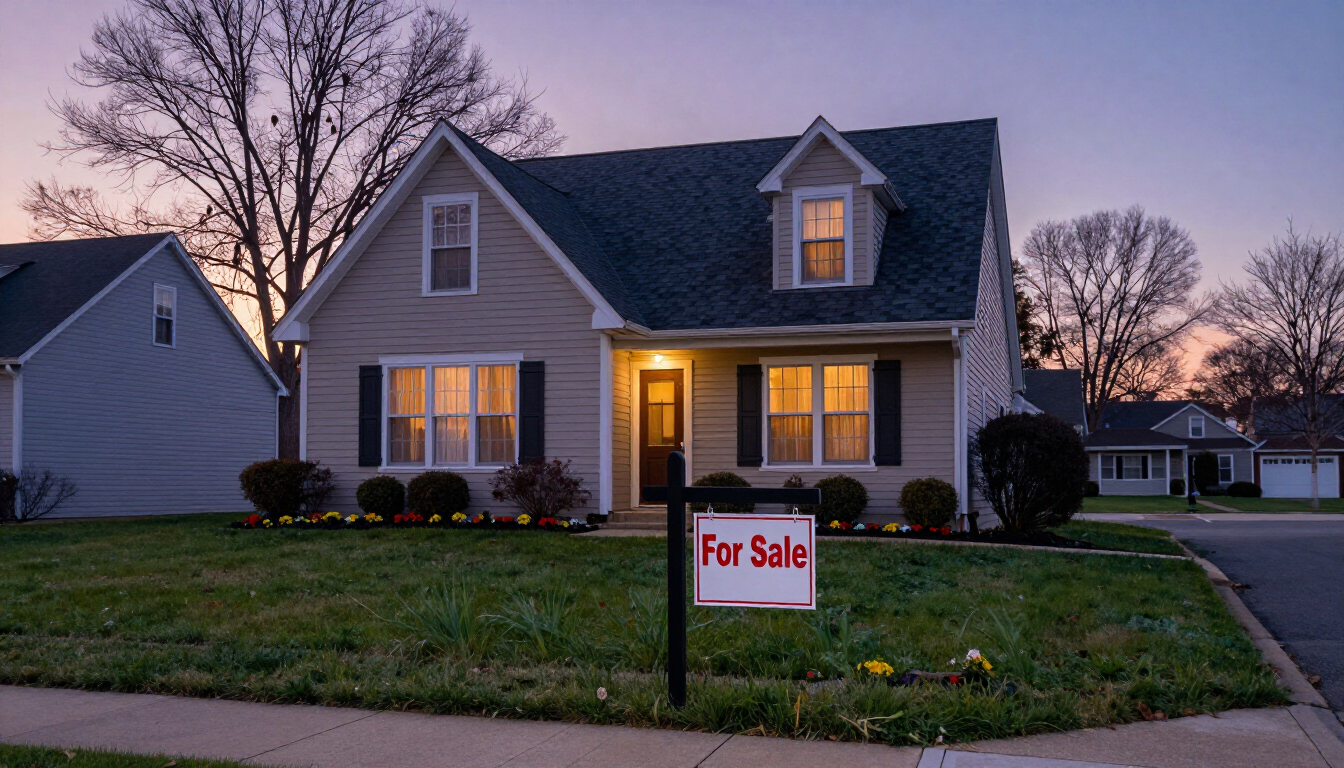
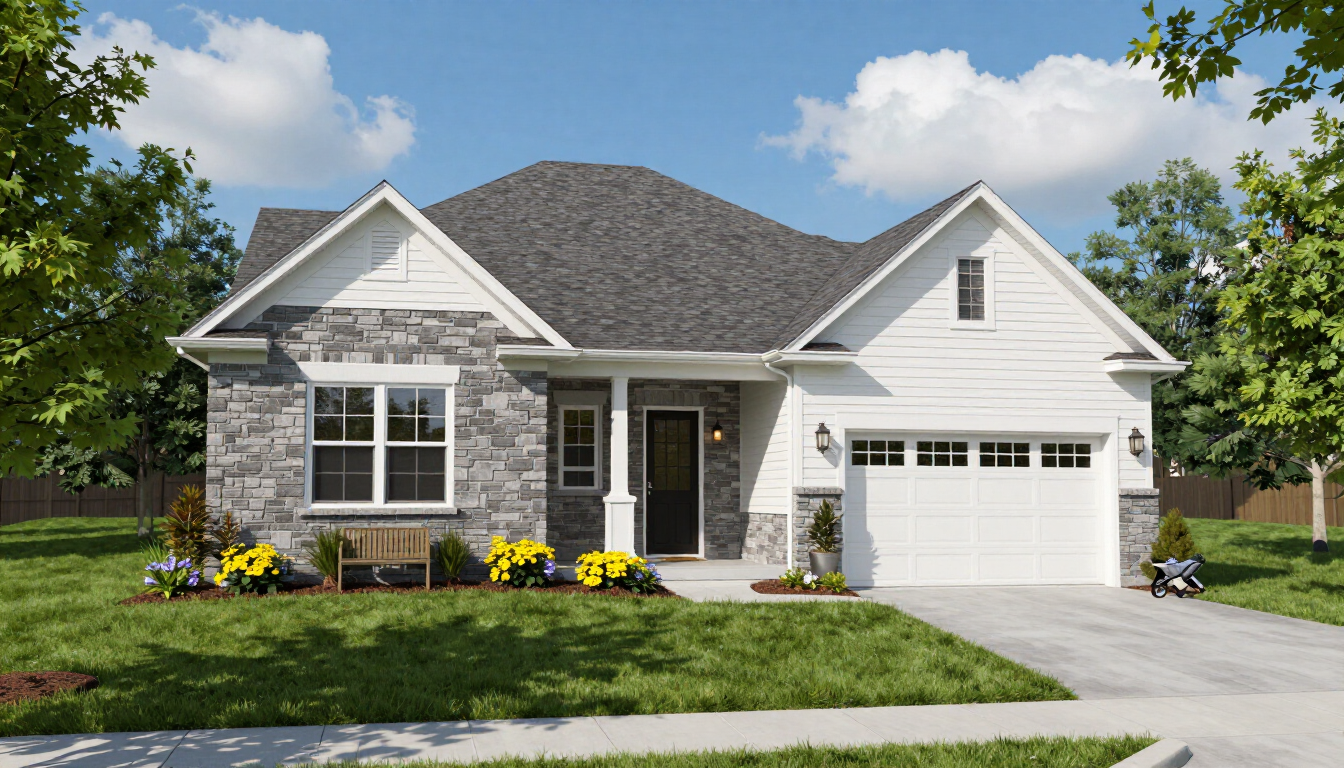
Charming suburban house at dusk

Is an overpriced home actually a hidden gem?

Absolutely. An overpriced home that has been sitting is the equivalent of finding a designer jacket at a thrift store because it has one missing button. If you can identify why it’s sitting, you can determine if it’s a deal worth pursuing. Most of the time, the "missing button" is just a seller who was poorly advised or a marketing strategy that fell flat.

When you look at Services offered by top-tier agents, you’ll notice a focus on presentation. But not every listing gets the star treatment. I’ve seen million-dollar homes listed with blurry cell phone photos taken in the dark, with a stray cat visible in the reflection of the toaster. Does that mean the house is bad? No. It means the marketing is bad. As a buyer, you should love bad marketing. Bad marketing keeps the competition away. It’s like a "Keep Out" sign for everyone except the people who know how to look deeper.

When a home sits, the seller's motivation level shifts from "I want a premium" to "I just want this over with." This is the sweet spot for a buyer. You aren't just buying a house; you are buying the seller’s problem. If their problem is that their home hasn't sold in three months, you are the solution. And solutions come with a discount. You might find that a home originally listed at $300,000 is now effectively a $270,000 home because the seller is desperate for an exit strategy. If the inspection comes back clean (or manageable), you’ve just won the real estate lottery without having to outbid twelve other people.

Common reasons homes sit on the market longer

Understanding why a listing stalls helps you categorize the risk. If a house is sitting because the basement is currently a swimming pool, that’s a structural issue. If it’s sitting because the seller refused to move their collection of 400 ceramic clowns for the photos, that’s a marketing issue. Here are the most common non-fatal reasons homes linger:

  • Poor Photography : Blurry, dark, or vertical photos that make a mansion look like a closet.
  • Odors and First Impressions : The smell of three Great Danes or a heavy smoker can kill a deal in ten seconds.
  • Restrictive Showing Times : Sellers who only allow showings between 2:00 PM and 2:15 PM on every third Tuesday.
  • Unrealistic Starting Price : The aforementioned "testing the market" strategy that backfired.
  • Complex Legal Issues : Short sales, estate disputes, or title issues that scare off the impatient.

Each of these points represents a hurdle that stopped someone else, but none of them necessarily impact the long-term value of the property. If you have a professional who can help you navigate the legalities or a nose that can be fixed with a new carpet and some ozone treatment, you are in the driver's seat.

How can buyers negotiate on old listings?

Negotiating on a stale listing is a completely different sport than negotiating on a fresh one. In a hot market with a new listing, you are essentially begging the seller to pick you. You offer over asking, waive inspections, and maybe even offer to name your firstborn after them. But with a home that’s been sitting? The power dynamic flips.

First, you can ask for more. This doesn't just mean a lower sale price. You can ask the seller to cover your closing costs, which keeps more cash in your pocket for those inevitable renovations. You can ask for a credit to replace that 20-year-old furnace that’s technically working but sounds like a jet engine. You can even ask for the riding lawnmower or the patio furniture. When a seller is staring at a 90-day DOM, they are much more likely to say "yes" just to keep the deal alive.

Second, you have the luxury of time. You can actually think about the purchase. You can visit the house twice. You can bring a contractor through to give you a quote on a kitchen remodel. This lack of pressure leads to better decision-making. Most buyer's remorse happens in the first 48 hours after a bidding war because the adrenaline wears off and you realize you just paid $40k over value for a house you only saw for ten minutes. Buying a "stale" home allows for a logical, measured approach.

Happy couple in new home

Taking the "Why Not" leap in Northwest Ohio

Northwest Ohio is a unique market. We have incredible historic neighborhoods, burgeoning suburban developments, and rural escapes. But we also have a lot of "legacy" homes—houses that have been in the same family for decades. These are prime candidates for sitting on the market. Often, the sellers are emotionally attached and struggle to price the home objectively, or they simply aren't aware of how much "modernization" the average 2026 buyer expects.

This is where my philosophy comes in: Why Not You? Why not be the person who sees the potential where others see a project? Why not be the one who negotiates a deal that makes your friends jealous? Real estate isn't just about finding the perfect house; it’s about making a smart move that sets you up for the future. If you are frustrated by the competition, it’s time to stop looking where everyone else is looking.

Whether you are a first-time buyer or looking to upgrade, understanding the mechanics of "Days on Market" can change your entire strategy. If you're wondering, What’s My Home Worth? , or if you're ready to start your search, I’m here to help you find those overlooked gems. Don't let a high DOM count scare you off. Let it be the invitation you’ve been waiting for. Contact Us today, and let's go find a house that’s been waiting just for you.

Key Takeaways for Savvy Buyers

  • High DOM is Leverage : Use the seller's time on market as a reason to ask for price drops or credits.
  • Ignore the Wallpaper : Focus on the "bones" (roof, HVAC, foundation) rather than cosmetic datedness.
  • Verify the "Why" : Have your agent dig into the history—often it’s just bad luck or bad pricing.
  • Avoid the Crowd : Stale listings have zero competition, meaning no stressful bidding wars.
  • Ask for Extras : Sellers of long-standing listings are often willing to include appliances or repairs to close the deal.

In summary, a home that sits on the market isn't necessarily a "bad" home; it’s often just a mismanaged one. By looking past the initial stigma and understanding the seller's psychology, you can find incredible value in Northwest Ohio's real estate market. Don't be afraid to ask "Why Not?" when you see a listing that everyone else is ignoring. Your dream home might just be the one that’s been waiting for someone with a little vision—and a lot of common sense.

Funny dog in tuxedo with tiny house representing home buying expectations vs budget.
May 15, 2026
Struggling with Starbucks taste on a gas station coffee budget? Learn how to balance home buying expectations with reality in Northwest Ohio.

A funny illustration of a house eating money.
May 12, 2026
Don't let a leaky roof ruin your new home joy. Learn how much emergency savings you need after buying a home to stay financially stable and stress-free in Northwest Ohio.
Young couple excited to tour their first home in Northwest Ohio.
May 12, 2026
Avoid common first-time buyer mistakes! Learn what to look for during home tours, from maintenance red flags to layout realities, with a humorous twist.
Excited home buyers in Northwest Ohio
May 11, 2026
Stuck waiting for a forever home? Benjamin Rozzell IV explains why first-time buyers in Northwest Ohio should choose progress over perfection today.

House keys and calculator on a wooden desk representing closing costs.
May 8, 2026
Discover the hidden closing costs for first-time buyers in Northwest Ohio. Learn how to prepare for title fees, prepaid taxes, and lender costs to ensure a smooth home purchase.

A beautiful starter home in a Northwest Ohio neighborhood.
By benjaminrozzell May 5, 2026
Discover why Northwest Ohio real estate is the perfect market for first-time homebuyers. Learn about down payment assistance and local affordability.
A beautiful Northwest Ohio home representing the 2026 housing market stability.
May 4, 2026
Explore how the housing market is balancing out in Northwest Ohio during 2026. Get expert insights on inventory, negotiation, and local Fremont trends.

Home buyers celebrating a successful purchase in a competitive market
April 23, 2026
Learn how to win a home in a competitive real estate market without overpaying. Expert tips on escalation clauses, flexible terms, and monthly payments in Northwest Ohio.

Close up of mortgage documents and keys on a wooden table
April 22, 2026
Discover how a 1% interest rate change affects your monthly payment on a $195,138 home. Learn why payment strategy beats market timing in Northwest Ohio.
A calculator and house keys on a wooden table representing real estate savings and affordability.
April 21, 2026
Discover how seller concessions and mortgage rate buydowns can lower your monthly mortgage payments. Learn why this strategy is more effective than a simple price reduction for Northwest Ohio homebuyers.

Show More